
naturasounds
🎧 Medicinal Chant of Ginkgo Biloba - 429.62 Hz H2O / 30 minutes
🎧 Medicinal Chant of Ginkgo Biloba - 429.62 Hz H2O / 30 minutes
Regular price
€15,00 EUR
Regular price
Sale price
€15,00 EUR
Unit price
per
Taxes included.
Shipping calculated at checkout.
Couldn't load pickup availability
These sound essential oils are for sale to benefit our research in electrophysiology and molecular sound chemistry.
Thank you for your wonderful participation!
These melodies are produced by the plant itself and its molecular activity, which we measure and record.
I encoded it in .wav format with a sampling frequency of 48Khz in 24-bit and tuned according to the calculations of the Einstein / Planck equation (h.f = mc2) to the water frequency of 429.62 Hz. With a duration of 30 minutes for a deep immersion with the spirit of the Ginkgo.
Enjoy listening!
For any further information, collaboration/partnership requests or otherwise, please send me a message.
contact: renaud@naturasounds.org
Thank you for your wonderful participation!
These melodies are produced by the plant itself and its molecular activity, which we measure and record.
I encoded it in .wav format with a sampling frequency of 48Khz in 24-bit and tuned according to the calculations of the Einstein / Planck equation (h.f = mc2) to the water frequency of 429.62 Hz. With a duration of 30 minutes for a deep immersion with the spirit of the Ginkgo.
Enjoy listening!
For any further information, collaboration/partnership requests or otherwise, please send me a message.
contact: renaud@naturasounds.org
Scientific name: Ginkgo biloba
Common names: ginkgo, maidenhair tree
English names: ginkgo, maidenhair tree
Botanical classification: ginkgo family (Ginkgoaceae)
Forms and preparations: capsules, tablets, ampoules, mother tinctures, liquid extracts, herbal teas, decoctions
Medicinal properties of ginkgo
Internal use
Promotes good blood circulation: anticoagulant, antiplatelet (prevents the formation of thrombi or clots), vasodilating (facilitates the dilation of blood vessels) actions. Strengthens brain functions, especially in cases of senile dementia: stimulates memory, aids concentration and reasoning.
In Asia, ginkgo leaves are used in decoctions to relieve respiratory ailments such as asthma or bronchitis (expectorant and sedative effects), but also as a vermifuge. As for the seeds, they are used to prepare remedies for urinary disorders.
External use
Aids in the healing of ulcers, bruises, burns (poultices of crushed leaves on affected areas). Many anti-aging cosmetic treatments (creams) use ginkgo as a base, for its protective and reparative properties on the skin (antioxidant, anti-inflammatory and stimulating effects), particularly in cases of rosacea.
In Asia, the leaves are also used in poultices to heal chilblains.
Usual therapeutic indications
Disorders related to peripheral arterial, venous and capillary circulatory insufficiency: arteritis notably causing limping and intermittent claudication, heavy legs, varicose veins, edema of the lower limbs, hemorrhoids, Raynaud's disease (cold extremities).
Other demonstrated therapeutic indications
Disorders related to cerebral circulatory insufficiency: memory loss, decreased concentration, dizziness, headaches, hearing loss, ringing in the ears, tinnitus, senile dementia, Alzheimer's disease (in its early stages).
History of ginkgo use in herbal medicine
ginkgo biloba
Ginkgo biloba is an extraordinary tree, often described as a "living fossil," as it is believed to have appeared long before dinosaurs and belongs to one of the oldest known arboreal species. Native to Asia, its fruits have been used in China and Japan as food and medicine since ancient times. It arrived in Europe and the American continent in the 18th century. Initially appreciated for its ornamental qualities, its extreme longevity (it can live for at least a thousand years) and its remarkable resistance, which earned it the distinction of being the only plant specimen to survive the radiation from the Hiroshima bomb, the "forty-dollar tree" quickly captivated Westerners for its medicinal properties. Today, it is mainly cultivated in Asia, the United States, and southwestern France, to supply the pharmaceutical industry, which uses it in many medicines and supplements intended to relieve circulatory problems and improve memory.
Botanical description of ginkgo
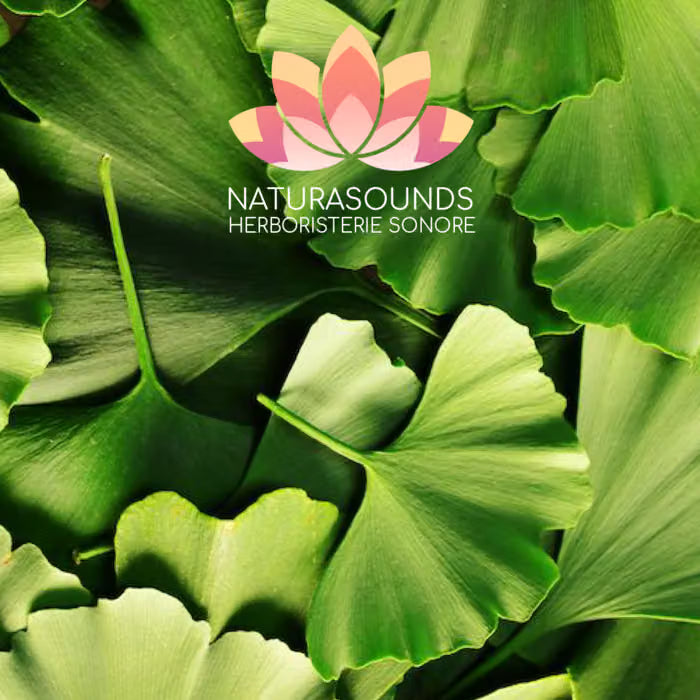
Even if nothing suggests it, since its foliage is not persistent and it does not bear "cones", Ginkgo biloba is a conifer. Capable of reaching 40 m in height, it adopts a very spreading shape and is covered with leaves resembling small, delicately veined fans, turning from light green to golden yellow in autumn. It is a dioecious species, with male and female trees. Only the latter bear the fruits (small yellow berries about 3 cm with an edible kernel) which, once ripe, give off an unpleasant odor.
Ginkgo composition
Parts used
Westerners primarily favor the leaves (fresh or dried), which contain the highest concentration of active ingredients. For their part, the Chinese also use the seeds.
Active ingredients
Mainly flavonoids (antioxidants) and terpenic lactones (ginkgolides and bilobalides) that improve blood circulation.
Use and dosage of ginkgo
Dosage
The many ginkgo-based medicines on the market (capsules, tablets or oral solutions) generally contain the same concentration of active ingredients, which is taken into account during clinical trials (standardized ginkgo extract titrated to 24% flavonoids and 6% ginkgolides-bilobalides). It is recommended to take 120 to 240 mg of standardized extract per day, in 2 or 3 doses, with water and at mealtimes.
Common names: ginkgo, maidenhair tree
English names: ginkgo, maidenhair tree
Botanical classification: ginkgo family (Ginkgoaceae)
Forms and preparations: capsules, tablets, ampoules, mother tinctures, liquid extracts, herbal teas, decoctions
Medicinal properties of ginkgo
Internal use
Promotes good blood circulation: anticoagulant, antiplatelet (prevents the formation of thrombi or clots), vasodilating (facilitates the dilation of blood vessels) actions. Strengthens brain functions, especially in cases of senile dementia: stimulates memory, aids concentration and reasoning.
In Asia, ginkgo leaves are used in decoctions to relieve respiratory ailments such as asthma or bronchitis (expectorant and sedative effects), but also as a vermifuge. As for the seeds, they are used to prepare remedies for urinary disorders.
External use
Aids in the healing of ulcers, bruises, burns (poultices of crushed leaves on affected areas). Many anti-aging cosmetic treatments (creams) use ginkgo as a base, for its protective and reparative properties on the skin (antioxidant, anti-inflammatory and stimulating effects), particularly in cases of rosacea.
In Asia, the leaves are also used in poultices to heal chilblains.
Usual therapeutic indications
Disorders related to peripheral arterial, venous and capillary circulatory insufficiency: arteritis notably causing limping and intermittent claudication, heavy legs, varicose veins, edema of the lower limbs, hemorrhoids, Raynaud's disease (cold extremities).
Other demonstrated therapeutic indications
Disorders related to cerebral circulatory insufficiency: memory loss, decreased concentration, dizziness, headaches, hearing loss, ringing in the ears, tinnitus, senile dementia, Alzheimer's disease (in its early stages).
History of ginkgo use in herbal medicine
ginkgo biloba
Ginkgo biloba is an extraordinary tree, often described as a "living fossil," as it is believed to have appeared long before dinosaurs and belongs to one of the oldest known arboreal species. Native to Asia, its fruits have been used in China and Japan as food and medicine since ancient times. It arrived in Europe and the American continent in the 18th century. Initially appreciated for its ornamental qualities, its extreme longevity (it can live for at least a thousand years) and its remarkable resistance, which earned it the distinction of being the only plant specimen to survive the radiation from the Hiroshima bomb, the "forty-dollar tree" quickly captivated Westerners for its medicinal properties. Today, it is mainly cultivated in Asia, the United States, and southwestern France, to supply the pharmaceutical industry, which uses it in many medicines and supplements intended to relieve circulatory problems and improve memory.
Botanical description of ginkgo
Even if nothing suggests it, since its foliage is not persistent and it does not bear "cones", Ginkgo biloba is a conifer. Capable of reaching 40 m in height, it adopts a very spreading shape and is covered with leaves resembling small, delicately veined fans, turning from light green to golden yellow in autumn. It is a dioecious species, with male and female trees. Only the latter bear the fruits (small yellow berries about 3 cm with an edible kernel) which, once ripe, give off an unpleasant odor.
Ginkgo composition
Parts used
Westerners primarily favor the leaves (fresh or dried), which contain the highest concentration of active ingredients. For their part, the Chinese also use the seeds.
Active ingredients
Mainly flavonoids (antioxidants) and terpenic lactones (ginkgolides and bilobalides) that improve blood circulation.
Use and dosage of ginkgo
Dosage
The many ginkgo-based medicines on the market (capsules, tablets or oral solutions) generally contain the same concentration of active ingredients, which is taken into account during clinical trials (standardized ginkgo extract titrated to 24% flavonoids and 6% ginkgolides-bilobalides). It is recommended to take 120 to 240 mg of standardized extract per day, in 2 or 3 doses, with water and at mealtimes.