
naturasounds
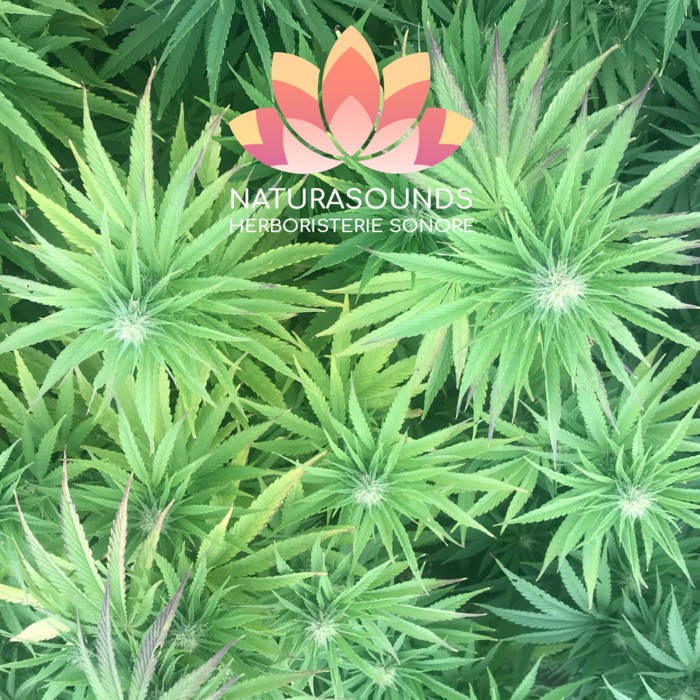
🎧 Medicinal Song Of Cannabis Sativa L. - 429.62 Hz - H2O / 30 minutes
🎧 Medicinal Song Of Cannabis Sativa L. - 429.62 Hz - H2O / 30 minutes
Regular price
€15,00 EUR
Regular price
Sale price
€15,00 EUR
Unit price
per
Taxes included.
Shipping calculated at checkout.
Couldn't load pickup availability
These sonic essential oils are for sale to benefit our research in electrophysiology and sonic molecular chemistry.
Thank you for your wonderful participation!
These melodies are produced by the plant itself and its molecular activity, which we measure and record.
I encoded it in .wav format with a sampling frequency of 48Khz at 24 bits and tuned it according to the calculations of the Einstein / Planck equation (h.f = mc2) to the frequency of water at 429.62 Hz. It is 30 minutes long for a deep immersion with the spirit of the plant.
Happy listening!
For any further information, collaboration/partnership requests or other inquiries, please send me a message.
contact: renaud@naturasounds.org
Thank you for your wonderful participation!
These melodies are produced by the plant itself and its molecular activity, which we measure and record.
I encoded it in .wav format with a sampling frequency of 48Khz at 24 bits and tuned it according to the calculations of the Einstein / Planck equation (h.f = mc2) to the frequency of water at 429.62 Hz. It is 30 minutes long for a deep immersion with the spirit of the plant.
Happy listening!
For any further information, collaboration/partnership requests or other inquiries, please send me a message.
contact: renaud@naturasounds.org
The essential oil of C. sativa L. buds primarily contains monoterpenes (92%) and sesquiterpenes (7%) (9). Other less significant compounds such as esters and ketones also make up 1% of the essential oil. The two main monoterpenes found in this oil are β-myrcene (67%) and limonene (16%) (9).
Biological Activities
Recognized for containing psychotropic compounds (Δ-9-tetrahydrocannabinol and cannabinol) in its leaves and inflorescences (10), C. sativa L. also possesses other biological activities. Only since the 1980s in the United States, the "Food and Drug Administration" department has allowed the medical and therapeutic use of cannabis to help relieve nausea and vomiting in patients undergoing chemotherapy (11). A 2008 meta-analysis study demonstrated that cannabis was more effective as an antiemetic compared to other previously used medications (11). Cannabinoids contained in C. sativa L. are also recognized for their antibacterial potential (12). A study also showed that the main compounds of C. sativa L. (cannabidiol, cannabichromene, cannabigerol, Δ-9-tetrahydrocannabinol, and cannabinol) had good antibacterial activity against a variety of methicillin-resistant Staphylococcus aureus (MRSA) (3).
Chemical Phenotype (Chemotype)
Three types of chemotypes are widely reported in the literature: chemotype I, which contains Δ-9-tetrahydrocannabinol (THC) at more than 0.3% and less than 0.5% cannabidiol (CBD) per dry matter quantity. Then, intermediate chemotype II, which mainly contains CBD as the primary cannabinoid and THC in variable concentrations, and finally chemotype III, which contains a very low concentration of THC (13). These different chemotypes seem to be associated with their geographical origin rather than the environment or heredity of the plants (13). A French study mentions that there are other groups of chemotypes depending on the utility of the plant type (drug or fiber) and the climate characteristics where the plant grows. These chemotypes are characterized as follows (10):
The first chemotype is a "drug" type (THC > 1% and CBD = 0) and grows in warm climates in countries such as Mexico and South Africa.
The chemotype is also an "intermediate drug" type (THC > 0.25% and CBD > 0.5%) and also grows in warm climates, but comes from Mediterranean countries such as Morocco and Lebanon.
The third chemotype is a "fiber" type (THC < 0.25% and CBD > 0.5%) and is of interest to the fiber industry due to its low THC content. This type grows in temperate climates and originates from France, Russia, and Hungary. Moreover, within the "fiber" type, it is possible to distinguish two other chemotypes (I and II) which differ from each other mainly by their THC content (I: THC > 0.1%; II: THC < 0.05%).
This distinction between chemotypes is found regardless of the plant's development stage and has notably allowed for the obtaining of varieties with the lowest possible THC content for industrial hemp cultivation (10).
Geographical Differences
Some studies mention that geographical origin has an influence on the chemical composition of C. sativa L. despite the plant's monotypic genus (14). Sometimes, the literature shows that climate also influences the quantity of cannabinoids found in the plant. One study focused on the growing environment of English C. sativa L. This research shows that when the plant is grown in a warm environment, the cannabinol (CBN) content would be higher, and when grown in temperate climates with reduced hours of daylight, the cannabidiolic acid (CBD) content would be higher than the Δ-9-tetrahydrocannabinol (THC) content (12). Furthermore, when grown in tropical and subtropical climates, a higher amount of THC than CBN has been demonstrated. Other studies, however, have shown that Mexican and Turkish C. sativa L. did not show any change in their chemical profile according to different environmental variations (12).
Growing Conditions
Different soil types appear to be an important factor in the amount of cannabinoids contained in C. sativa L., but climate and geographical origin would be even more significant factors influencing the plant's composition (12,14). However, numerous studies have been conducted on the growth of this plant in relation to factors promoting its fiber production. Moreover, some studies mention that when C. sativa L. escapes from cultivated fields, it grows better in fertile, light, and well-drained soils than in soils lacking these attributes (15). Additionally, peaty soils would increase branch branching unlike mineral-rich soil (12). A neutral soil pH would be one of the factors that promote plant growth.
Soil fertility also plays a major role in plant physiology. Nitrogen (N) content in the wild would influence the male/female ratio of plants and also allow plant stems to become taller and thicker, but thus offering weaker fiber resistance (12,16). However, phosphorus (P) and potassium (K) rich soil would increase plant yield. Drought would also influence fiber quality by increasing their production, but thus decreasing their size (17).
Biological Activities
Recognized for containing psychotropic compounds (Δ-9-tetrahydrocannabinol and cannabinol) in its leaves and inflorescences (10), C. sativa L. also possesses other biological activities. Only since the 1980s in the United States, the "Food and Drug Administration" department has allowed the medical and therapeutic use of cannabis to help relieve nausea and vomiting in patients undergoing chemotherapy (11). A 2008 meta-analysis study demonstrated that cannabis was more effective as an antiemetic compared to other previously used medications (11). Cannabinoids contained in C. sativa L. are also recognized for their antibacterial potential (12). A study also showed that the main compounds of C. sativa L. (cannabidiol, cannabichromene, cannabigerol, Δ-9-tetrahydrocannabinol, and cannabinol) had good antibacterial activity against a variety of methicillin-resistant Staphylococcus aureus (MRSA) (3).
Chemical Phenotype (Chemotype)
Three types of chemotypes are widely reported in the literature: chemotype I, which contains Δ-9-tetrahydrocannabinol (THC) at more than 0.3% and less than 0.5% cannabidiol (CBD) per dry matter quantity. Then, intermediate chemotype II, which mainly contains CBD as the primary cannabinoid and THC in variable concentrations, and finally chemotype III, which contains a very low concentration of THC (13). These different chemotypes seem to be associated with their geographical origin rather than the environment or heredity of the plants (13). A French study mentions that there are other groups of chemotypes depending on the utility of the plant type (drug or fiber) and the climate characteristics where the plant grows. These chemotypes are characterized as follows (10):
The first chemotype is a "drug" type (THC > 1% and CBD = 0) and grows in warm climates in countries such as Mexico and South Africa.
The chemotype is also an "intermediate drug" type (THC > 0.25% and CBD > 0.5%) and also grows in warm climates, but comes from Mediterranean countries such as Morocco and Lebanon.
The third chemotype is a "fiber" type (THC < 0.25% and CBD > 0.5%) and is of interest to the fiber industry due to its low THC content. This type grows in temperate climates and originates from France, Russia, and Hungary. Moreover, within the "fiber" type, it is possible to distinguish two other chemotypes (I and II) which differ from each other mainly by their THC content (I: THC > 0.1%; II: THC < 0.05%).
This distinction between chemotypes is found regardless of the plant's development stage and has notably allowed for the obtaining of varieties with the lowest possible THC content for industrial hemp cultivation (10).
Geographical Differences
Some studies mention that geographical origin has an influence on the chemical composition of C. sativa L. despite the plant's monotypic genus (14). Sometimes, the literature shows that climate also influences the quantity of cannabinoids found in the plant. One study focused on the growing environment of English C. sativa L. This research shows that when the plant is grown in a warm environment, the cannabinol (CBN) content would be higher, and when grown in temperate climates with reduced hours of daylight, the cannabidiolic acid (CBD) content would be higher than the Δ-9-tetrahydrocannabinol (THC) content (12). Furthermore, when grown in tropical and subtropical climates, a higher amount of THC than CBN has been demonstrated. Other studies, however, have shown that Mexican and Turkish C. sativa L. did not show any change in their chemical profile according to different environmental variations (12).
Growing Conditions
Different soil types appear to be an important factor in the amount of cannabinoids contained in C. sativa L., but climate and geographical origin would be even more significant factors influencing the plant's composition (12,14). However, numerous studies have been conducted on the growth of this plant in relation to factors promoting its fiber production. Moreover, some studies mention that when C. sativa L. escapes from cultivated fields, it grows better in fertile, light, and well-drained soils than in soils lacking these attributes (15). Additionally, peaty soils would increase branch branching unlike mineral-rich soil (12). A neutral soil pH would be one of the factors that promote plant growth.
Soil fertility also plays a major role in plant physiology. Nitrogen (N) content in the wild would influence the male/female ratio of plants and also allow plant stems to become taller and thicker, but thus offering weaker fiber resistance (12,16). However, phosphorus (P) and potassium (K) rich soil would increase plant yield. Drought would also influence fiber quality by increasing their production, but thus decreasing their size (17).
credits
released December 23, 2020
Commercial Potential
Several studies tend to show that C. sativa L. oil would be economically very interesting to use as biodiesel (18,19,20). These studies have mainly shown that, depending on the harvest time, the amount of plant biomass was higher, especially in autumn, thus demonstrating a much more interesting energy ratio for this industry (20). Other studies, for their part, have focused on the use of C. sativa L. bark as a raw material for paper manufacturing (21). During the growing season of this plant, cellulose increases and lignin decreases in the bark. These qualities would be particularly useful in increasing paper strength due to the higher cellulose content. Moreover, the quality of these long fibers, which resemble those of softwoods, has been the subject of a study on the use of C. sativa L. as a raw material for paper pulp (22) and Kraft pulp (23). Research has been carried out on the use of Cannabis sativa L. alone and combined with other plants to extract heavy metals by phytoextraction (24) from contaminated calcareous soils (25). Several studies tend to want to give a second life to textile industry biowaste, and C. sativa L. would thus be a good candidate for this type of recycling.
In short
There are three defined chemotypes in the literature according to the geographical origin of C. sativa L.;
The type of soil and its composition influence the chemical composition of this plant in several ways;
In addition to its psychotropic properties, C. sativa L. has an interesting and well-demonstrated antiemetic activity;
The fibers of C. sativa L. show interesting qualities for the paper industry.
References
(1) Marie-Victorin. Flore Laurentienne; 3rd ed.; Gaëtan Morin éditeur: Montréal, 2002.
(2) Small, E.; Pocock, T.; Cavers, P. B. The Biology of Canadian Weeds. 119. Cannabis Sativa L. 2003.
(3) Appendino, G.; Gibbons, S.; Giana, A.; Pagani, A.; Grassi, G.; Stavri, M.; Smith, E.; Rahman, M. M. Antibacterial Cannabinoids from Cannabis Sativa: a Structure-activity Study. Journal of natural products 2008, 71, 1427–1430.
(4) Weinstein, B.; Paris-sud, U. Mise En Évidence De Deux Types Chimiques Chez Le Cannabis Sativa Originaire d’Afrique Du Sud. Phytochemistry 1977, 474, 9–12.
(5) Pacifico, D.; Miselli, F.; Micheler, M.; Carboni, A.; Ranalli, P.; Mandolino, G. Genetics and Marker-assisted Selection of the Chemotype in Cannabis Sativa L. Molecular Breeding 2006, 17, 257–268.
(6) Government of Canada. Health Canada www.hc-sc.gc.ca/dhp-mps/marihuana/info/index-fra.php.
(7) Potter, D. J. A Review of the Cultivation and Processing of Cannabis (Cannabis Sativa L.) for Production of Prescription Medicines in the UK. Drug testing and analysis 2013, 6, 31–38.
(8) Fischedick, J. T.; Hazekamp, A.; Erkelens, T.; Choi, Y. H.; Verpoorte, R. Metabolic Fingerprinting of Cannabis Sativa L., Cannabinoids and Terpenoids for Chemotaxonomic and Drug Standardization Purposes. Phytochemistry 2010, 71, 2058–2073.
(9) Ross, S. a; ElSohly, M. a. The Volatile Oil Composition of Fresh and Air-dried Buds of Cannabis Sativa. Journal of natural products 1996, 59, 49–51.
(10) Fournier, G. Les Chimiotypes Du Chanvre ( Cannabis Sativa L .).
(11) Machado Rocha, F. C.; Stéfano, S. C.; De Cássia Haiek, R.; Rosa Oliveira, L. M. Q.; Da Silveira, D. X. Therapeutic Use of Cannabis Sativa on Chemotherapy-induced Nausea and Vomiting Among Cancer Patients: Systematic Review and Meta-analysis. European journal of cancer care 2008, 17, 431–443.
(12) Coffman, C. B.; Gentner, W. A. (1975) Cannabinoid Profile and Elemental Uptake of Cannabis Sativa L. as Influenced by Soil Characteristics (AJ). 1971.
(13) De Meijer, E. P. M.; Hammond, K. M.; Micheler, M. The Inheritance of Chemical Phenotype in Cannabis Sativa L. (III): Variation in Cannabichromene Proportion. Euphytica 2008, 165, 293–311.
(14) Hemphill, J. K.; Turner, J. C.; Mahlberg, P. G. Cannabinoid Content of Individual Plant Organs from Different Geographical Straiks of Cannabis Sativa L. Journal of natural products 1980, 43, 112–122.
(15) Stearn, W. T. The Botany and Chemistry of Cannabie : the Cannabis Plant Botanical Characteristics; Churchill, J., Ed.; C.R.B. Joy.; Londre, 1970; pp. 1–11.
(16) Werf, H. M. G.; Berg, W. Nitrogen Fertilization and Sex Expression Affect Size Variability of Fibre Hemp (Cannabis Sativa L.). Oecologia 1995, 103, 462–470.
(17) Amaducci, S.; Zatta, A.; Pelatti, F.; Venturi, G. Influence of Agronomic Factors on Yield and Quality of Hemp (Cannabis Sativa L.) Fibre and Implication for an Innovative Production System. Field Crops Research 2008, 107, 161–169.
(18) Li, S.-Y.; Stuart, J. D.; Li, Y.; Parnas, R. S. The Feasibility of Converting Cannabis Sativa L. Oil into Biodiesel. Bioresource technology 2010, 101, 8457–8460.
(19) Prade, T.; Finell, M.; Svensson, S.-E.; Mattsson, J. E. Effect of Harvest Date on Combustion Related Fuel Properties of Industrial Hemp (Cannabis Sativa L.). Fuel 2012, 102, 592–604.
(20) Prade, T. Industrial Hemp ( Cannabis Sativa L .) – a High-Yielding Energy Crop; 2011.
(21) Van der Werf, H. M. G.; Harsveld van der Veen, J. E.; Bouma, a. T. M.; Ten Cate, M. Quality of Hemp (Cannabis Sativa L.) Stems as a Raw Material for Paper. Industrial Crops and Products 1994, 2, 219–227.
(22) Mathijssen, W. J. M.; Haverkort, J. The Potential of Hemp ( Cannabis Sativa L .) for Sustain- Able Fibre Production : a Crop Physiological Appraisal. 1996, 109–123.
(23) Dutt, D.; Upadhyaya, J. S.; Tyagi, C. H.; Kumar, a.; Lal, M. Studies on Ipomea Carnea and Cannabis Sativa as an Alternative Pulp Blend for Softwood: An Optimization of Kraft Delignification Process. Industrial Crops and Products 2008, 28, 128–136.
(24) Citterio, S.; Santagostino, A.; Fumagalli, P.; Prato, N.; Ranalli, P.; Sgorbati, S. Heavy Metal Tolerance and Accumulation of Cd , Cr and Ni by Cannabis Sativa L . 2003, 243–252.
(25) Meers, E.; Ruttens, a; Hopgood, M.; Lesage, E.; Tack, F. M. G. Potential of Brassic Rapa, Cannabis Sativa, Helianthus Annuus and Zea Mays for Phytoextraction of Heavy Metals from Calcareous Dredged Sediment Derived Soils. Chemosphere 2005, 61, 561–572.
Commercial Potential
Several studies tend to show that C. sativa L. oil would be economically very interesting to use as biodiesel (18,19,20). These studies have mainly shown that, depending on the harvest time, the amount of plant biomass was higher, especially in autumn, thus demonstrating a much more interesting energy ratio for this industry (20). Other studies, for their part, have focused on the use of C. sativa L. bark as a raw material for paper manufacturing (21). During the growing season of this plant, cellulose increases and lignin decreases in the bark. These qualities would be particularly useful in increasing paper strength due to the higher cellulose content. Moreover, the quality of these long fibers, which resemble those of softwoods, has been the subject of a study on the use of C. sativa L. as a raw material for paper pulp (22) and Kraft pulp (23). Research has been carried out on the use of Cannabis sativa L. alone and combined with other plants to extract heavy metals by phytoextraction (24) from contaminated calcareous soils (25). Several studies tend to want to give a second life to textile industry biowaste, and C. sativa L. would thus be a good candidate for this type of recycling.
In short
There are three defined chemotypes in the literature according to the geographical origin of C. sativa L.;
The type of soil and its composition influence the chemical composition of this plant in several ways;
In addition to its psychotropic properties, C. sativa L. has an interesting and well-demonstrated antiemetic activity;
The fibers of C. sativa L. show interesting qualities for the paper industry.
References
(1) Marie-Victorin. Flore Laurentienne; 3rd ed.; Gaëtan Morin éditeur: Montréal, 2002.
(2) Small, E.; Pocock, T.; Cavers, P. B. The Biology of Canadian Weeds. 119. Cannabis Sativa L. 2003.
(3) Appendino, G.; Gibbons, S.; Giana, A.; Pagani, A.; Grassi, G.; Stavri, M.; Smith, E.; Rahman, M. M. Antibacterial Cannabinoids from Cannabis Sativa: a Structure-activity Study. Journal of natural products 2008, 71, 1427–1430.
(4) Weinstein, B.; Paris-sud, U. Mise En Évidence De Deux Types Chimiques Chez Le Cannabis Sativa Originaire d’Afrique Du Sud. Phytochemistry 1977, 474, 9–12.
(5) Pacifico, D.; Miselli, F.; Micheler, M.; Carboni, A.; Ranalli, P.; Mandolino, G. Genetics and Marker-assisted Selection of the Chemotype in Cannabis Sativa L. Molecular Breeding 2006, 17, 257–268.
(6) Government of Canada. Health Canada www.hc-sc.gc.ca/dhp-mps/marihuana/info/index-fra.php.
(7) Potter, D. J. A Review of the Cultivation and Processing of Cannabis (Cannabis Sativa L.) for Production of Prescription Medicines in the UK. Drug testing and analysis 2013, 6, 31–38.
(8) Fischedick, J. T.; Hazekamp, A.; Erkelens, T.; Choi, Y. H.; Verpoorte, R. Metabolic Fingerprinting of Cannabis Sativa L., Cannabinoids and Terpenoids for Chemotaxonomic and Drug Standardization Purposes. Phytochemistry 2010, 71, 2058–2073.
(9) Ross, S. a; ElSohly, M. a. The Volatile Oil Composition of Fresh and Air-dried Buds of Cannabis Sativa. Journal of natural products 1996, 59, 49–51.
(10) Fournier, G. Les Chimiotypes Du Chanvre ( Cannabis Sativa L .).
(11) Machado Rocha, F. C.; Stéfano, S. C.; De Cássia Haiek, R.; Rosa Oliveira, L. M. Q.; Da Silveira, D. X. Therapeutic Use of Cannabis Sativa on Chemotherapy-induced Nausea and Vomiting Among Cancer Patients: Systematic Review and Meta-analysis. European journal of cancer care 2008, 17, 431–443.
(12) Coffman, C. B.; Gentner, W. A. (1975) Cannabinoid Profile and Elemental Uptake of Cannabis Sativa L. as Influenced by Soil Characteristics (AJ). 1971.
(13) De Meijer, E. P. M.; Hammond, K. M.; Micheler, M. The Inheritance of Chemical Phenotype in Cannabis Sativa L. (III): Variation in Cannabichromene Proportion. Euphytica 2008, 165, 293–311.
(14) Hemphill, J. K.; Turner, J. C.; Mahlberg, P. G. Cannabinoid Content of Individual Plant Organs from Different Geographical Straiks of Cannabis Sativa L. Journal of natural products 1980, 43, 112–122.
(15) Stearn, W. T. The Botany and Chemistry of Cannabie : the Cannabis Plant Botanical Characteristics; Churchill, J., Ed.; C.R.B. Joy.; Londre, 1970; pp. 1–11.
(16) Werf, H. M. G.; Berg, W. Nitrogen Fertilization and Sex Expression Affect Size Variability of Fibre Hemp (Cannabis Sativa L.). Oecologia 1995, 103, 462–470.
(17) Amaducci, S.; Zatta, A.; Pelatti, F.; Venturi, G. Influence of Agronomic Factors on Yield and Quality of Hemp (Cannabis Sativa L.) Fibre and Implication for an Innovative Production System. Field Crops Research 2008, 107, 161–169.
(18) Li, S.-Y.; Stuart, J. D.; Li, Y.; Parnas, R. S. The Feasibility of Converting Cannabis Sativa L. Oil into Biodiesel. Bioresource technology 2010, 101, 8457–8460.
(19) Prade, T.; Finell, M.; Svensson, S.-E.; Mattsson, J. E. Effect of Harvest Date on Combustion Related Fuel Properties of Industrial Hemp (Cannabis Sativa L.). Fuel 2012, 102, 592–604.
(20) Prade, T. Industrial Hemp ( Cannabis Sativa L .) – a High-Yielding Energy Crop; 2011.
(21) Van der Werf, H. M. G.; Harsveld van der Veen, J. E.; Bouma, a. T. M.; Ten Cate, M. Quality of Hemp (Cannabis Sativa L.) Stems as a Raw Material for Paper. Industrial Crops and Products 1994, 2, 219–227.
(22) Mathijssen, W. J. M.; Haverkort, J. The Potential of Hemp ( Cannabis Sativa L .) for Sustain- Able Fibre Production : a Crop Physiological Appraisal. 1996, 109–123.
(23) Dutt, D.; Upadhyaya, J. S.; Tyagi, C. H.; Kumar, a.; Lal, M. Studies on Ipomea Carnea and Cannabis Sativa as an Alternative Pulp Blend for Softwood: An Optimization of Kraft Delignification Process. Industrial Crops and Products 2008, 28, 128–136.
(24) Citterio, S.; Santagostino, A.; Fumagalli, P.; Prato, N.; Ranalli, P.; Sgorbati, S. Heavy Metal Tolerance and Accumulation of Cd , Cr and Ni by Cannabis Sativa L . 2003, 243–252.
(25) Meers, E.; Ruttens, a; Hopgood, M.; Lesage, E.; Tack, F. M. G. Potential of Brassic Rapa, Cannabis Sativa, Helianthus Annuus and Zea Mays for Phytoextraction of Heavy Metals from Calcareous Dredged Sediment Derived Soils. Chemosphere 2005, 61, 561–572.